

Rotted Wood: The Warning Signs
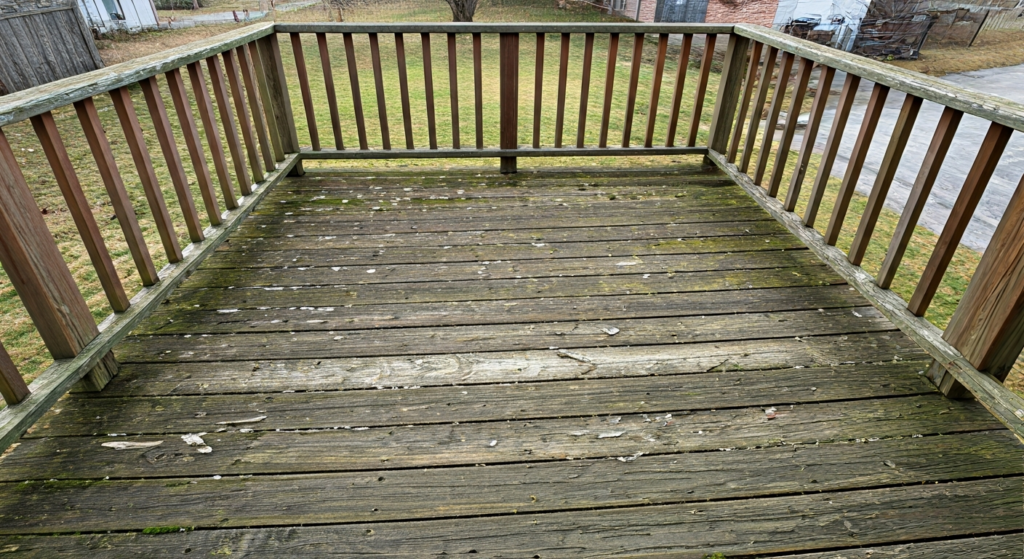
Decks are meant to be used—until rot weakens the wood. At Seattle Fence and Decks, LLC, we specialize in replacing decks when the problem isn’t just worn boards, but rotted wood and rotted joints that make the structure unreliable and hard to enjoy. Rotted wood usually starts where moisture lingers. Watch for:
- Soft or spongy boards that give underfoot or feel crumbly when pressed
- Dark stains, discoloration, or damp-looking areas
- Cracking, splintering, or sharp edges from wood breaking down
- Mold or mildew that keeps returning where water collects
If you ignore it, rotted deck boards don’t just look bad—they can fail under normal use.
Rotted Joints: The Real Structural Problem
A deck isn’t safe when the connections weaken. Rotted joints often show up as:
- Posts that wobble or shift
- Railings that feel loose
- Steps that bounce or move
- Gaps, separation, or hardware that loosens repeatedly
When joints rot, the deck’s support system is compromised, and repairs to only the surface boards usually won’t fix the underlying issue.
What Seattle Fence and Decks Does (Replacement for Safety)
When we see rotted wood and rotted joints, the solution is often a deck replacement rebuild—because restoring structure requires replacing the compromised members, not just patching a few boards.
After replacement, homeowners can also take the opportunity to improve the layout—expanding the deck footprint or adding levels—so the space works better for family and friends, while finally feeling solid again.
If your deck feels unsafe, wobbly, or uncomfortable to walk on, Seattle Fence and Decks can evaluate what’s rotted and recommend the right rebuild to get your outdoor space back.
Schedule your onsite evaluation today. Call Seattle Fence and Decks at (425) 449-6739.
Article written by Seattle Fence and Decks, LLC.
Frequently Asked Questions
1. What are the first signs of a rotted deck?
Common early signs include soft or spongy boards, dark discoloration, splintering, recurring mildew, and wood that remains damp. Loose railings or moving steps may indicate more serious structural problems.
2. Can I replace rotted deck boards without rebuilding the entire deck?
Yes, if the damage is limited to the surface and the underlying framing remains structurally sound. If rot has spread to joists, beams, posts, or important connections, a more extensive repair or replacement may be necessary.
3. Is a rotted deck dangerous?
It can be. Deteriorated boards may break, and weakened structural connections can affect stability. Avoid using areas that feel unsafe and arrange a professional assessment.
4. How can I protect my deck from rot in Seattle?
Regularly remove debris, maintain drainage, reduce persistent moisture, and inspect visible wood and connections. Proper construction and suitable maintenance can help reduce the risk of deterioration.
5. When should I contact a deck replacement contractor?
Contact a qualified contractor if you notice widespread rot, sagging, unstable railings, moving steps, or damage around structural connections. An assessment can help establish whether repairs or replacement are appropriate.
4 Comments